
At a glance
Solar ATAP, made simple.
Solar ATAP is the government’s rooftop solar programme. It lets you use the solar electricity you generate at home and export any excess to the grid.
How it works
From your roof to your TNB bill.
Your panels generate electricity during the day. Your home uses what it needs first, then exports leftover solar electricity to the grid.
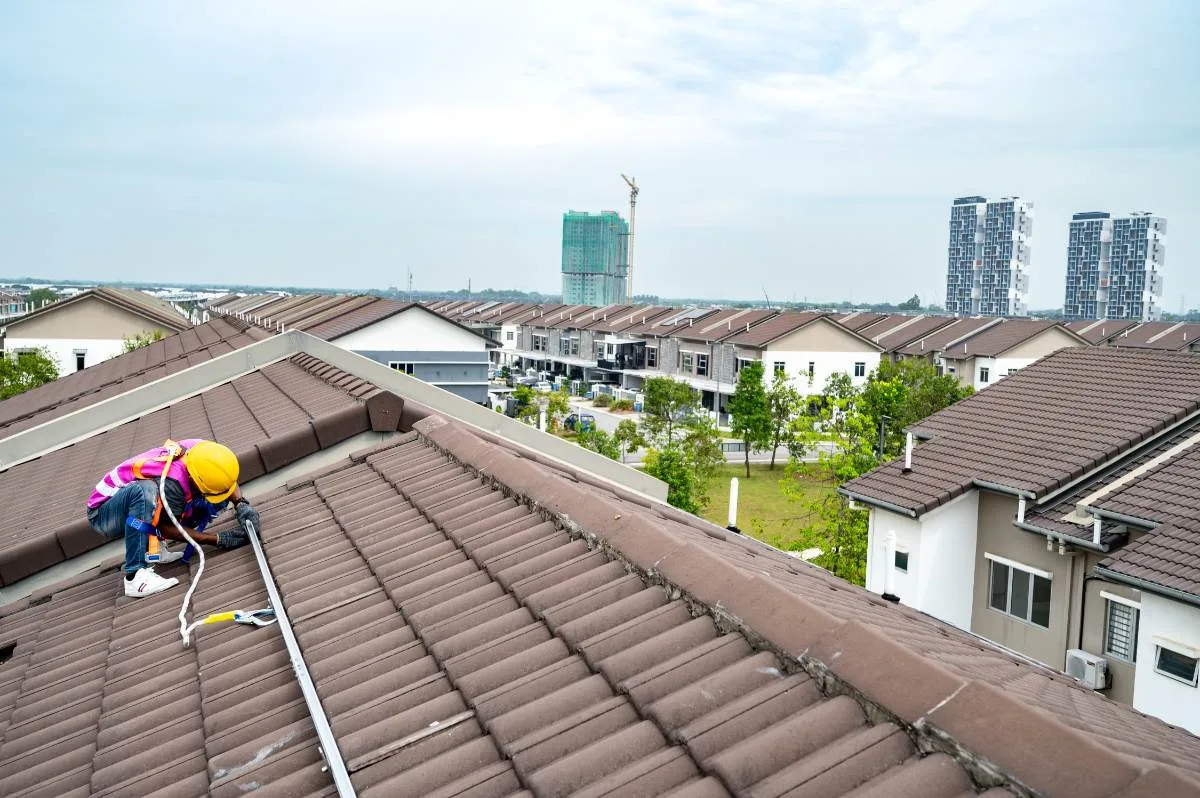
Your panels generate electricity
Your solar system generates electricity throughout the day, with output usually strongest around midday.
Your home uses it first
Whatever is running at home uses your solar first, so you buy less electricity from TNB.
Extra solar is exported
Anything you don’t use flows to the grid and earns credits on your TNB account.
At night, you use TNB as usual
When your panels stop generating, you buy electricity from TNB. Your export credits help reduce the eligible charges on your bill.
Direct use matters
Your solar is worth more when you use it.
When you use solar electricity directly in your home, you avoid buying that electricity from TNB and save at the full retail tariff. When you export it, you’re credited only at your applicable Energy charge.
Used at home
RM0.44 – RM0.54
| Energy | 27.03 – 37.03 sen |
|---|---|
| Capacity | 4.55 sen |
| Network | 12.85 sen |
| Total | 44.43 – 54.43 sen |
Exported
RM0.27 – RM0.37
| Energy | 27.03 – 37.03 sen |
|---|---|
| Capacity | not credited |
| Network | not credited |
A unit used at home is worth
64%
more than the same unit exported.
The Energy charge is 27.03 sen/kWh for usage below 1,500 kWh and 37.03 sen/kWh above 1,500 kWh. AFA, SST and KWTBB are excluded and only apply if your post-solar import exceeds 600 kWh.
64% is the starting point, not the typical outcome.
That assumes all your solar is exported. Most homes naturally use some electricity during the day through appliances like fridges, freezers and Wi-Fi routers. So, some of your solar is used at home automatically and the more you use directly, the more of your TNB bill disappears.
- 100% export
61% of Solar kWh
Theoretical floor if every solar kWh is exported.
- 70% export · 30% direct use
73% of Solar kWh
A more typical starting point for a home with normal daytime usage.
- 60% export · 40% direct use
77% of Solar kWh
Using more solar directly increases the value you get from each kWh.
Illustrative only. Values will vary based on your actual usage.
Maximise your savings
How to get more from Solar ATAP.
Because solar is worth more when you use it directly, there are three practical ways to get more value from your system.
Use more solar during the day
Every unit used as it is made avoids 44 – 54 sen of charges. Every unit exported earns 27 – 37 sen.
What you can do: run flexible loads like your EV charger, water heater and dryer while the sun is up. These small changes can have the biggest impact on your savings.
Get the system size right
Bigger isn’t always better. Once your exports have offset 100% of the Energy charge on your bill, any further excess gives you no additional credit.
What we do: we size your system around your actual usage, with room for future needs such as an EV, more air-conditioning or a battery.
Move to a Time of Use tariff
Peak rates only apply from 2pm to 10pm weekdays, and your export credits offset peak charges first. This means that most of your usage can end up billed at off-peak rates.
What we do: we can review your usage profile and help you understand whether ToU makes sense for your home.
Weekdays only. Weekends and public holidays are off-peak all day. Off-peak energy is 24.43 sen against 27.03 sen on the standard tariff, about 9% lower.
FAQs
Solar ATAP questions
Am I eligible for Solar ATAP?
Yes, if you’re a registered TNB consumer in Peninsular Malaysia with your name on both the property title and TNB bill.
How do I apply to participate in Solar ATAP?
We will assist you with the application process and will require copies of your MyKad, last 3 TNB bills and proof of home ownership (e.g., Cukai Taksiran bill), in compliance with SEDA requirements.
How long can I enjoy the benefits of Solar ATAP for?
The contract for Solar ATAP lasts for 10 years.
What happens after my Solar ATAP contract ends?
You can continue saving on your TNB bills by directly using the Solar Electricity generated by your system.
What happens if I export more Solar Electricity than I can offset in a particular month?
Exported Solar Electricity can offset up to 100% of the Energy charge on your TNB bill. Any excess beyond that will be forfeited, so it’s important to size your system correctly and maximise your direct usage of Solar Electricity during the day.
Solar ATAP is the Solar Accelerated Transition Action Programme, the successor to Net Energy Metering. Export rates, capacity limits, and eligibility follow the guidelines published by the Energy Commission and SEDA Malaysia. We confirm the rates that apply to your account at the home visit.
Registration of interest
Get an instant quote and a free home assessment.
Tell us where you live and your monthly TNB bill.
- See your initial system size, monthly payment and estimated savings.
- Book a free home visit to confirm it. No deposit, no obligation.
- Get your final proposal.
Prefer to talk? WhatsApp +603-9779 3006